.png)
.png)

.png)

Affordability isn’t a side initiative anymore—it’s one of the defining challenges of the modern energy landscape.
As energy costs rise, utilities are under growing pressure to deliver meaningful relief, particularly for customers who are already energy-burdened. The question isn’t whether to act. It’s how to act at the speed and scale this moment demands.
The answer starts with design.
Why Lasting Affordability Requires a Broader Approach
Traditional affordability strategies often rely on isolated measures—single upgrades, one-time rebates, or narrowly targeted programs. While helpful, these efforts rarely create the lasting impact customers need.
True affordability depends on building systems that can reach households across income levels and housing types, remove unnecessary friction from participation, and deliver savings that continue long after a program ends. That kind of impact doesn’t happen through standalone solutions. It requires thoughtful, coordinated design that considers the full customer journey from the beginning.
Designing Programs with Equity in Mind
Effective affordability programs start with understanding real customer needs.
Data-driven insights help utilities identify energy-burdened households, prioritize high-impact interventions, and structure programs that feel accessible rather than overwhelming. When participation pathways are clear and support is built in from the start, more customers are able to engage—and stay engaged—throughout the process.
Embedding equity early strengthens outcomes for everyone involved. Utilities see stronger participation and more efficient use of funding, while customers experience solutions designed to meet them where they are, rather than asking them to navigate complex requirements on their own.
Connecting Strategy, Delivery, and Technology
Affordability at scale depends on coordination.
When strategic consulting, program delivery, and enabling technology work together, utilities can move faster and reach further. Whole-home approaches replace piecemeal upgrades, allowing programs to address the root causes of high energy bills rather than just the symptoms. Customer engagement becomes more personalized and proactive, helping households understand their options and take action with confidence.
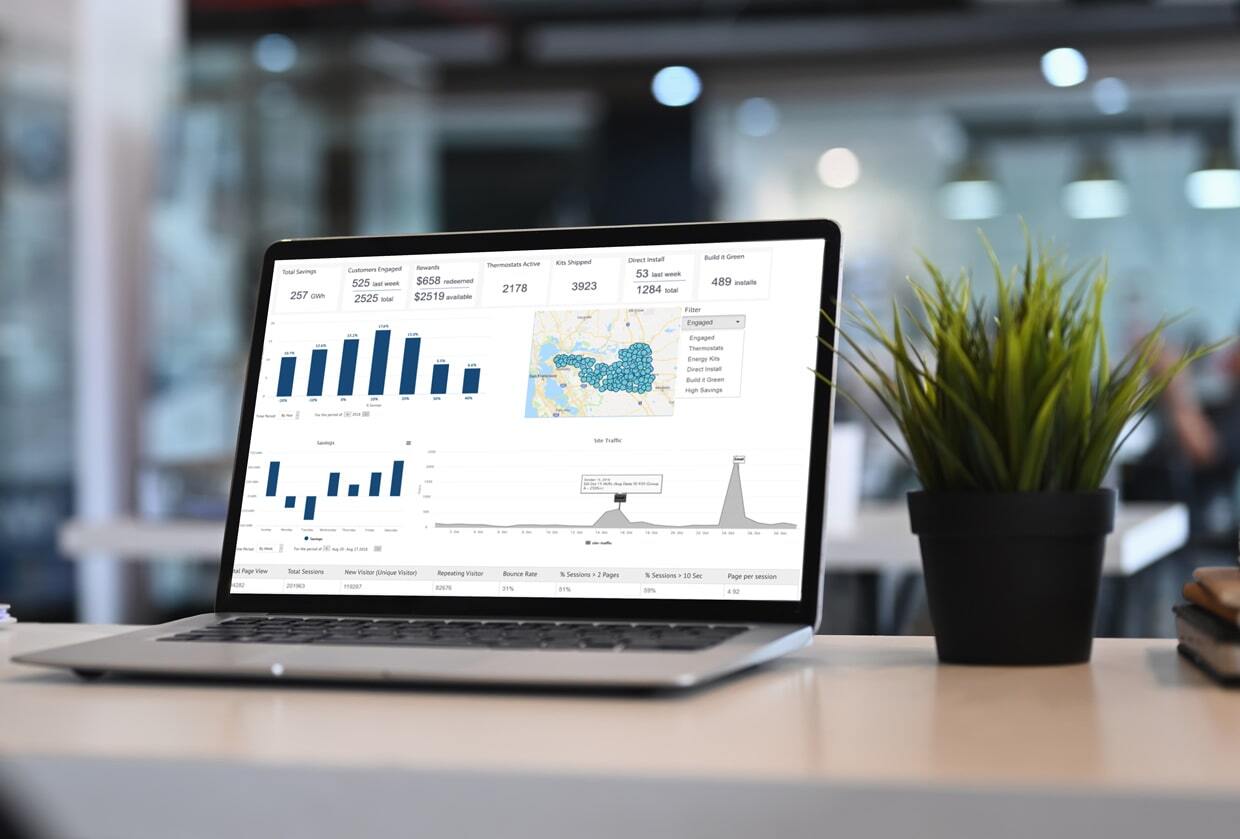
Integrated technology platforms play a critical role by connecting data, delivery, and customer experience. These tools help transform insight into action—ensuring programs are easier to access, simpler to manage, and capable of delivering consistent results across diverse communities.
What Customers Experience When It Works
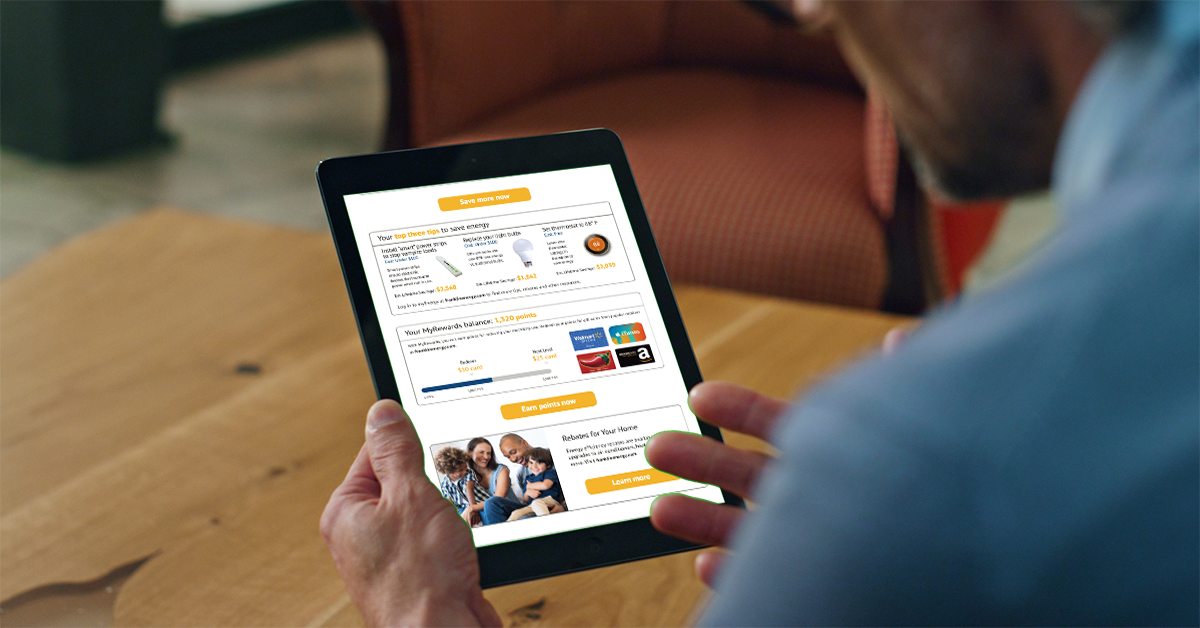
For residential customers, integrated affordability programs feel fundamentally different. The process is clearer. The steps are fewer. And the solutions are designed to fit their homes, budgets, and long-term needs.
For utilities, the benefits are equally compelling. Integrated programs enable greater reach, higher verified savings, and lower overall delivery costs by reducing duplication and inefficiency. Unified data and reporting improve transparency, support continuous optimization, and build confidence with regulators and stakeholders alike.
Affordability becomes sustainable—not just well-intentioned.
Building Programs That Last
The energy landscape will continue to evolve. Funding structures will shift. Customer expectations will grow. Programs designed for long-term success must be flexible, integrated, and grounded in real-world execution.
Affordability at scale isn’t about launching more programs. It’s about designing better ones—and delivering them in a way that creates meaningful, lasting impact.
Want to explore how integrated program design can help you reach more customers and deliver lasting affordability? Download our latest e-book below.
One Partner. Endless Possibilities.